Advantage of Cryosurgery vs. Surgical Laser

Cryosurgery and surgical lasers are both used to remove abnormal tissues, but they offer distinct advantages and disadvantages depending on the case. Here are the key advantages of cryosurgery over laser surgery:

Papilloma med

1. Cost-Effectiveness

  • Lower Initial Cost: Cryosurgery equipment is typically much less expensive than surgical lasers, which require significant upfront investment.
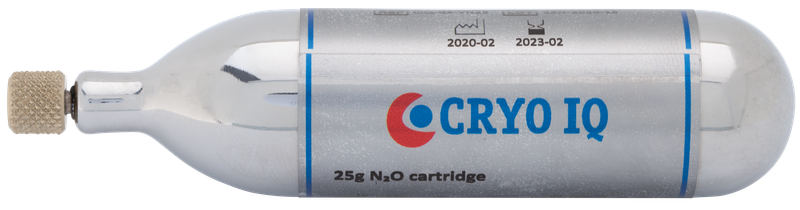
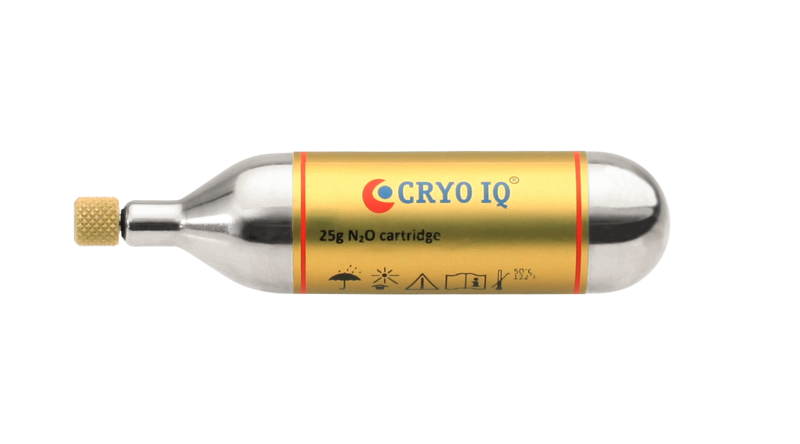
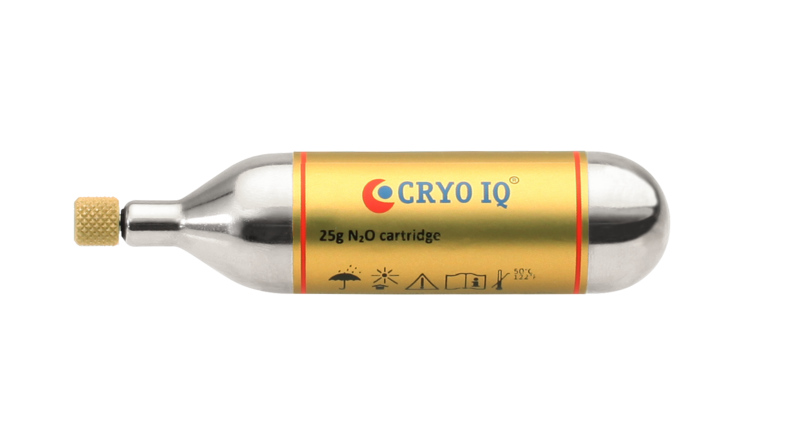
  • No Expensive Maintenance: Cryosurgical devices, like those using liquid nitrogen or nitrous oxide cartridges (such as CryoIQ), have low maintenance costs. Lasers, on the other hand, require costly repairs, calibration, and part replacements.
  • Reduced Consumable Costs: Cryosurgery doesn’t require as many consumable materials as laser surgery, making it a more economical option for many practices.

2. Minimal Training Required

  • Simpler Operation: Cryosurgery is relatively easy to perform with minimal training. The technique of freezing abnormal tissue is less complex than mastering the precise settings, focus, and calibration of a laser system.
  • Less Technological Expertise: Surgical lasers require technical expertise to adjust wavelengths and power settings for different tissue types, while cryosurgery has fewer variables to control.

3. Broader Range of Use

  • Effective on a Variety of Tissue Types: Cryosurgery is highly versatile and can be used on various tissues, including skin, mucous membranes, and certain internal structures. It’s suitable for conditions like skin lesions, warts, tumors, and some cancers. Surgical lasers may be more limited in the types of tissue they can treat effectively without causing thermal damage.
  • Less Tissue-Specific: Cryosurgery does not depend on the tissue type or pigmentation, whereas lasers may need different settings or even different types of lasers (CO2, Nd:YAG, etc.) for various applications.

4. Minimal Heat Damage

  • No Heat Damage to Surrounding Tissues: Cryosurgery uses extreme cold to destroy tissue, which means there’s little to no risk of heat damage to surrounding tissues. In contrast, lasers generate heat that can cause unintended burns or charring of adjacent healthy tissue.
  • Fewer Side Effects: Because cryosurgery avoids the use of heat, there’s less risk of complications such as hyperpigmentation, scarring, or delayed healing, which can occur with laser treatments that rely on thermal energy.

5. Lower Risk of Infection

  • Sterilizing Effect: Cryosurgery effectively destroys not only abnormal cells but also bacteria and other pathogens in the treated area. This reduces the risk of infection. Surgical lasers, though precise, do not have this direct antimicrobial effect.

6. Minimal Scarring

  • Less Scarring and Tissue Disruption: Cryosurgery often results in less scarring compared to laser surgery. The freezing and gradual destruction of tissue by cryotherapy typically leaves behind less noticeable scars compared to the burns and cuts that laser surgery can produce.
  • Gentle Healing Process: Cryosurgery promotes a more natural healing process, which often leads to a better cosmetic outcome, especially in areas like the face and neck.

7. Deeper Tissue Penetration

  • Effective for Subcutaneous Lesions: Cryosurgery can penetrate deeper into tissue layers to treat subcutaneous lesions more effectively than some lasers, which may not reach deeper layers without causing significant heat damage.
  • Extended Freezing Depth: The freezing effect can be controlled to reach multiple layers of tissue, especially in cases like tumors or deep skin lesions. Lasers may struggle with this without excessive thermal injury to superficial tissues.

8. Outpatient and Portable Use

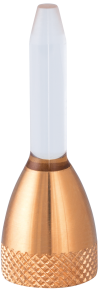
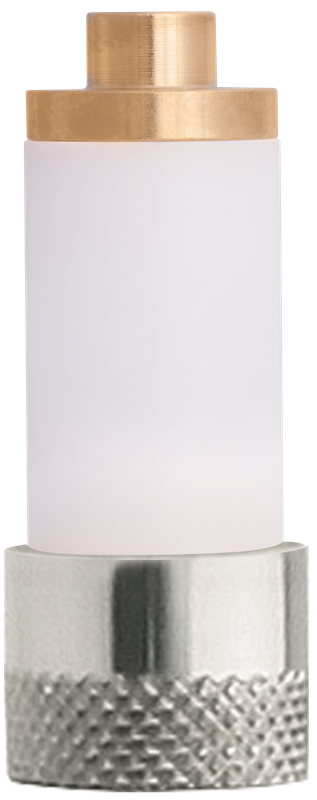
  • Portability and Convenience: Cryosurgery devices are often more portable, particularly handheld models like CryoIQ, making them easier to use in different settings, including clinics, veterinary practices, and even mobile services. Surgical lasers, on the other hand, are bulkier and require specialized settings and environments.
  • Outpatient Procedure: Cryosurgery is often performed on an outpatient basis without requiring operating room settings, reducing the need for extensive infrastructure. Surgical lasers typically require more controlled environments due to the equipment’s sensitivity and the risk of burns.

9. Less Time-Consuming

  • Quicker Procedure Time: Cryosurgery is generally faster since the freezing process can quickly destroy abnormal tissue, whereas laser surgery often requires longer treatment times, especially when treating larger or deeper lesions.

10. Patient Comfort and Tolerance

  • Minimal Pain: The cold used in cryosurgery can numb the treated area, often reducing the need for anesthesia. Patients typically experience less pain compared to laser procedures, which can be more uncomfortable due to the heat generated.
  • Fewer Anesthesia Requirements: Because cryosurgery is less invasive and often less painful, it usually requires minimal local anesthesia. Surgical lasers, depending on the type of procedure, may necessitate more extensive anesthesia or sedation.

11. Suitable for a Wider Range of Patients

  • Safe for More Skin Types: Cryosurgery is generally safe for all skin types and is less likely to cause pigmentation changes in darker skin tones, a common concern with laser treatments. Lasers can sometimes cause post-inflammatory hyperpigmentation or hypopigmentation, especially in patients with darker skin.

Conclusion

While both cryosurgery and surgical lasers have their place in modern medical and veterinary practices, cryosurgery offers several distinct advantages over laser surgery. It is more cost-effective, simpler to use, less invasive, and often carries fewer risks of heat damage, infection, and scarring. These advantages of cryosurgery make it an ideal option for treating a variety of skin conditions, small tumors, and other abnormal tissue growths, particularly in patients or animals where laser treatment might be less appropriate or accessible.