In the vast landscape of medical treatments, innovations continually emerge, pushing the boundaries of what’s possible in healthcare. One such innovation that has gained traction in recent years is cryosurgery. Also known as cryotherapy or cryoablation, it involves the use of extreme cold to destroy abnormal or diseased tissues, offering a minimally invasive alternative to traditional surgical procedures. Let’s delve into the fascinating world of cryosurgery, its applications, benefits, and implications for modern medicine.
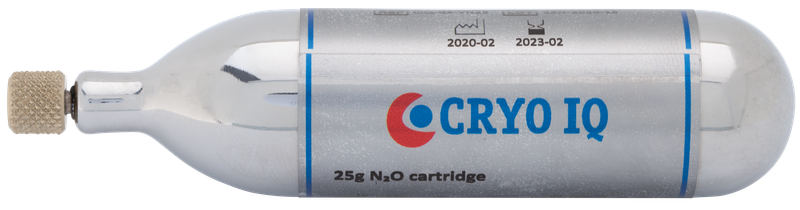
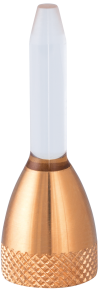
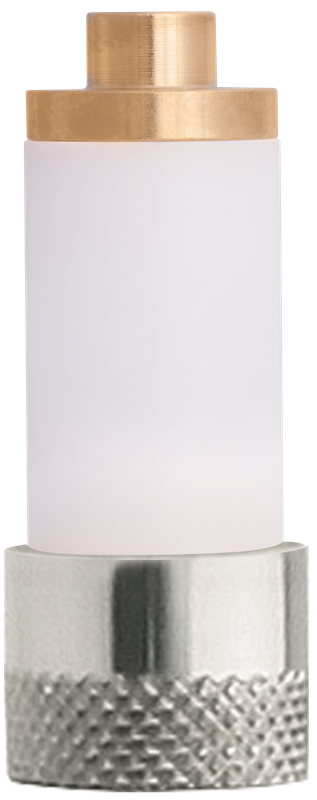
Cryosurgery utilizes very cold temperatures to freeze and destroy abnormal tissues. This is achieved by using a cryogen, typically liquid nitrogen or argon gas, which is applied directly to the targeted area. The extreme cold causes the water in the cells to freeze and form ice crystals, leading to the destruction of the cells. Over time, the frozen tissue is naturally absorbed or expelled by the body.
Cryosurgery finds applications across various medical specialties, each leveraging its benefits for specific conditions:
The adoption of cryosurgery continues to grow due to several key advantages it offers over traditional surgical methods:
While cryosurgery offers numerous benefits, it’s not suitable for all conditions or patients. Factors such as the size and location of the lesion, as well as the patient’s overall health, play a role in determining the appropriateness of this procedure versus other treatment options.
Looking ahead, ongoing research and advancements in cryosurgical techniques aim to further refine its applications and broaden its scope across different medical disciplines. Innovations in imaging technologies and cryogen delivery systems continue to enhance the procedure’s precision and effectiveness, making it a promising area for future medical developments.
In conclusion, it represents a significant advancement in medical treatment, providing a safe, effective, and minimally invasive option for treating a wide range of conditions. As technology evolves and clinical experience grows, cryosurgery is poised to play an increasingly important role in modern healthcare, offering patients new hope and improved outcomes.

CryoIQ US. All Rights Reserved